Fly traps are remarkable botanical predators designed to survive in nutrient-poor soils by consuming insects. These specialized plants, most famously the Venus flytrap, utilize sensitive trigger hairs located inside their jaw-like leaves to detect potential prey. To prevent false alarms from falling debris or raindrops, the trap typically requires two distinct touches within a short timeframe to snap shut. Once triggered, the marginal spikes interlock like the bars of a biological cage, ensuring the insect cannot escape its fate. The plant then seals the trap completely, creating an airtight external stomach where digestive enzymes break down the soft tissues of the prey. This process allows the plant to absorb vital nitrogen and phosphorus that are otherwise missing from its boggy habitat. After several days of digestion, the trap reopens, leaving behind only the indigestible chitinous exoskeleton of the insect. While they are fascinating to observe, each individual trap has a limited number of uses before it withers and dies. They represent a perfect evolutionary marriage of sensory movement and chemical digestion in the plant kingdom.
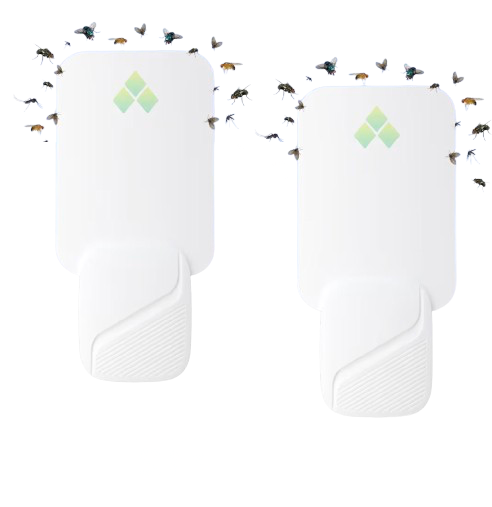
Fly traps


Reviews
There are no reviews yet.